⏱ 10 min read For business owners, accountants & tax consultants
Navigating the complexities of Pakistan's tax landscape can be challenging for any business owner. Among the many terms and regulations, `SRO` stands out as a critical element that directly impacts how businesses operate and fulfill their tax obligations. Understanding what an SRO is, its purpose, and its implications is fundamental for maintaining compliance and avoiding unforeseen issues with the Federal Board of Revenue (FBR).
Statutory Regulatory Orders (SROs) are powerful instruments used by the FBR to implement, modify, or clarify tax laws. They can introduce new rules, grant exemptions, change tax rates, or define procedural requirements, often with immediate effect. For Pakistani businesses, staying updated on relevant SROs is not just good practice—it's a legal necessity that can significantly affect financial planning and operational strategies.
This comprehensive guide will demystify SROs, explaining their role in Pakistan's tax system, how they impact various business activities, and practical steps you can take to ensure compliance. We'll also explore how modern digital invoicing solutions, like FBRSTAPP, can help you seamlessly adapt to SRO-driven changes and maintain accurate records.
🎯 Key takeaways
- ✓SROs are legal instruments issued by the FBR to regulate and modify tax laws in Pakistan.
- ✓They impact various aspects of business taxation, including rates, exemptions, and procedural requirements.
- ✓Businesses must stay informed about relevant SROs to ensure compliance and avoid penalties.
- ✓Digital invoicing solutions can help businesses adapt quickly to SRO-mandated changes.
- ✓Consulting tax professionals and FBR's official channels is crucial for accurate interpretation.
Understanding SROs: The Foundation of Tax Law in Pakistan
Statutory Regulatory Orders (SROs) are a cornerstone of Pakistan's tax and regulatory framework. Issued by the Federal Board of Revenue (FBR) under the authority granted by various tax statutes, SROs serve as a rapid and flexible mechanism to introduce, amend, or clarify specific provisions of tax laws. Unlike primary legislation, which requires a lengthy parliamentary process, SROs can be issued relatively quickly, allowing the FBR to respond to economic changes, policy shifts, or administrative needs efficiently.
These orders carry the full force of law, meaning businesses and individuals are legally bound to comply with their directives. They are published in the official gazette and become effective from the date specified within the order itself. The scope of an SRO can be broad or very specific, affecting anything from customs duties and sales tax rates to income tax exemptions and procedural requirements for filing returns or issuing invoices.
Businesses must recognize SROs not as mere guidelines but as integral parts of the legal framework governing their operations.
The FBR uses SROs to provide granular details or temporary measures that complement the broader tax acts like the Income Tax Ordinance, Sales Tax Act, or Customs Act. This dynamic nature means that the tax environment is constantly evolving, making continuous monitoring of FBR notifications essential for all stakeholders. Understanding the authority and pervasive nature of SROs is the first step towards effective tax compliance in Pakistan.
ℹ️ Stay Updated
SROs are dynamic legal instruments. Always refer to the latest official FBR notifications to ensure you are working with the most current tax regulations.

The Purpose and Impact of SROs on Businesses
SROs serve multiple critical purposes within Pakistan's tax system, all of which directly impact businesses. Firstly, they provide the necessary details and implementation rules for broader legislative acts. For instance, while a tax act might establish a general principle, an SRO will specify the exact conditions, documentation, or procedures required to avail an exemption or apply a specific tax rate. This level of detail is crucial for businesses to accurately calculate their liabilities and manage their operations.
Secondly, SROs are frequently used to introduce or withdraw tax exemptions, concessions, or special procedures for specific industries, goods, or services. A new SRO might exempt certain raw materials from sales tax to promote local manufacturing, or it could impose a higher duty on imported luxury items. Such changes can significantly alter the cost structure and competitive landscape for affected businesses, necessitating swift adjustments to pricing, procurement, and supply chain strategies.
com/fbr-digital-invoicing-pakistan). They can mandate the use of electronic systems, define the format of digital invoices, or specify the criteria for businesses required to integrate with the FBR's systems. com/pral-digital-invoicing-integration) requirements. The immediate and far-reaching effects of SROs underscore their importance in daily business operations.
| Feature | SROs | Primary Tax Acts (e.g., Sales Tax Act) |
|---|---|---|
| Issuing Authority | Federal Board of Revenue (FBR) | Parliament |
| Purpose | Implement, modify, clarify | Establish core tax law |
| Flexibility | High (can be changed quickly) | Low (requires legislative process) |
| Scope | Specific details, exemptions, procedures | Broad principles, general rates |
| Legal Force | Binding | Binding |
Make FBR digital invoicing simple
Create, validate and submit invoices to FBR with the IRN and QR code. Start free with 10 invoices every month.
Key Areas of Taxation Covered by SROs
SROs are pervasive across all major taxation domains administered by the FBR, making their understanding critical for a holistic view of tax compliance. They are extensively used in Sales Tax to define taxable goods and services, specify rates, grant exemptions, and outline registration and return filing procedures. For example, an SRO might detail the conditions for zero-rating exports or provide specific instructions for input tax adjustments.
Businesses engaged in manufacturing, trading, or providing services must constantly monitor sales tax SROs to ensure correct tax application and avoid over or under-collection.
In Income Tax, SROs often relate to specific exemptions, allowances, or procedural requirements for certain classes of taxpayers or income sources. They can introduce special tax regimes for particular sectors, clarify the treatment of certain incomes, or modify the withholding tax provisions. While the Income Tax Ordinance sets the general framework, SROs fine-tune its application, making it essential for businesses to consult them when preparing financial statements and computing taxable income.
SROs also significantly impact Customs Duties and Federal Excise Duty (FED). In customs, SROs frequently adjust duty rates, introduce concessions for specific imports or exports, or detail valuation rules. For FED, they define excisable goods and services, set rates, and outline licensing and clearance procedures.
Given the potential for frequent changes, businesses involved in international trade or dealing with excisable products must have robust mechanisms to track and implement relevant SROs. This cross-cutting application highlights the need for a comprehensive approach to SRO monitoring across all tax types relevant to a business.
💡 Proactive Monitoring
Regularly subscribe to FBR's official newsletters or check their website for the latest SROs. This proactive approach can help you anticipate changes and adjust your business operations accordingly.
Navigating SROs: A Practical Guide for Businesses
Staying compliant with SROs requires a systematic approach. The sheer volume and frequent updates can be overwhelming, but a structured process can help businesses manage this challenge effectively. The first step is to identify which SROs are relevant to your specific business activities, industry, and tax obligations. Not every SRO will apply to every business, so focusing on those that directly impact your operations is key.
Once relevant SROs are identified, the next crucial step is their accurate interpretation. The language of legal documents can be complex, and misinterpretations can lead to non-compliance. It is highly recommended to consult with qualified tax consultants or legal experts who specialize in Pakistani tax law.
They can provide clarity on the implications of an SRO for your business and advise on the necessary adjustments. Furthermore, the FBR's official website is the primary source for all SROs, often accompanied by explanatory circulars or press releases that can offer additional context.
Businesses should also implement internal processes for monitoring and responding to new SROs. This could involve designating a responsible person or team, subscribing to FBR notifications, and conducting regular reviews of tax procedures. Integrating tax compliance into your standard operating procedures ensures that changes mandated by SROs are promptly adopted across all relevant departments, from finance and accounting to sales and procurement.
Embracing digital tools can also significantly streamline this process, making it easier to manage and respond to regulatory shifts efficiently.
Access FBR Website
Regularly visit the official FBR website (www.fbr.gov.pk) and navigate to the 'Notifications' or 'SROs' section. This is the primary source for all official SRO releases.
Identify Relevant SROs
Use the search filters available on the FBR portal to narrow down SROs by date, type (e.g., Sales Tax, Income Tax), or keyword. Focus on those relevant to your industry and business operations.
Review SRO Details
Read the full text of the identified SROs carefully. Pay attention to the effective date, the specific sections of the law being amended or introduced, and any conditions or requirements mentioned.
Consult a Tax Expert
If the SRO's language is complex or its implications are unclear, seek professional advice from a qualified tax consultant. They can provide expert interpretation tailored to your business context.
Implement Changes
Based on the SRO's requirements and expert advice, update your internal accounting, invoicing, and operational procedures. Ensure your team is aware of any new compliance obligations.
Set Up Monitoring
Consider subscribing to FBR's official email updates or using a reliable tax news service to receive timely notifications about new SROs and regulatory changes.

The Role of Digital Invoicing and SROs
The landscape of tax compliance in Pakistan is rapidly evolving, with the FBR increasingly pushing for digital transformation, particularly in invoicing. SROs have been instrumental in mandating and shaping these digital invoicing requirements. For businesses, this means that compliance with certain SROs now directly involves adopting and correctly utilizing digital invoicing systems that can integrate with the FBR's platforms.
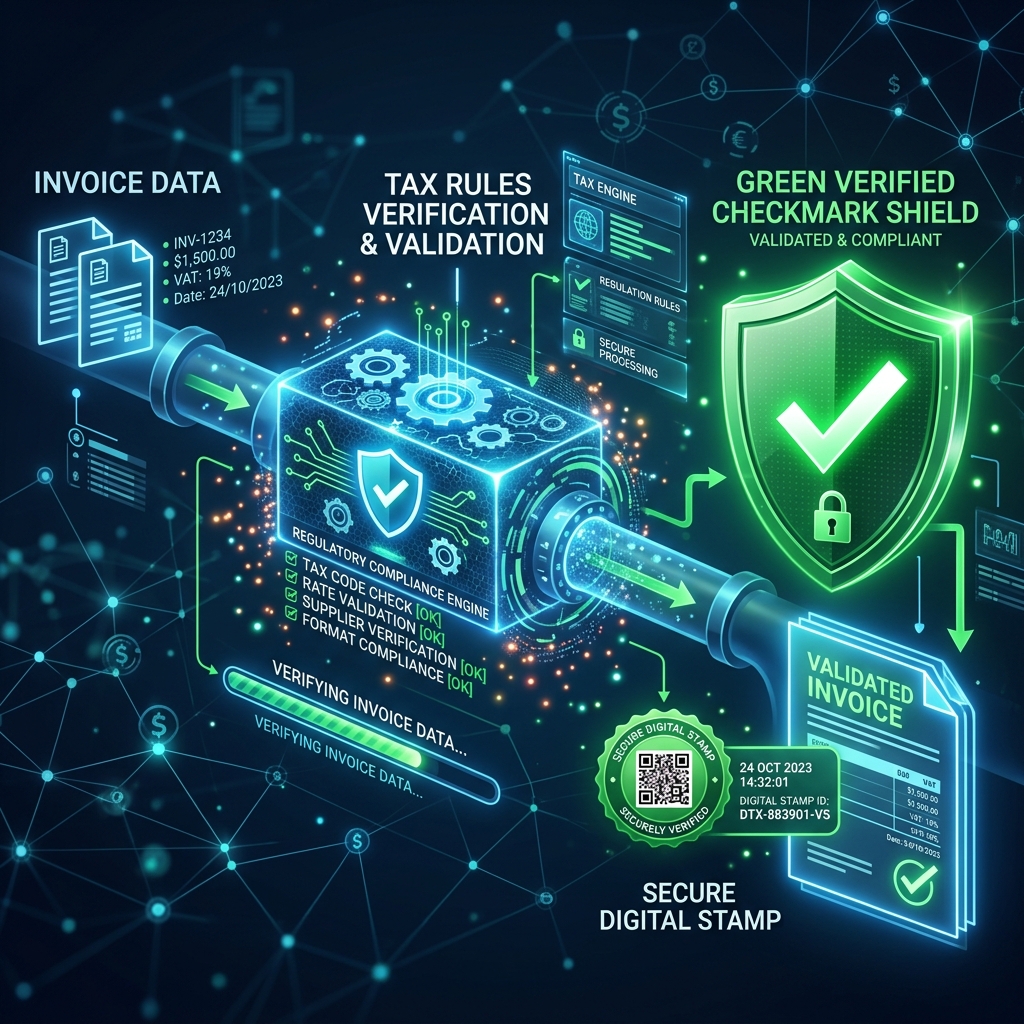
These SROs often specify the types of businesses required to implement digital invoicing, the technical standards for invoice generation (like the inclusion of FBR invoice numbers or QR codes), and the procedures for real-time validation and submission.
For businesses subject to these digital invoicing mandates, a robust software solution is no longer an option but a necessity. Solutions like FBRSTAPP are designed specifically to help Pakistani businesses meet these SRO-driven requirements. Our platform enables you to create, validate, and submit invoices via the FBR/PRAL Digital Invoicing API seamlessly. This ensures that your invoicing practices are always aligned with the latest SROs governing digital transactions, mitigating the risk of non-compliance.
FBRSTAPP offers features like customer and product management with HS codes, automatic generation of FBR invoice numbers (IRN) and QR codes on accepted invoices, and even FBR sandbox scenario testing. These tools are crucial for businesses to confidently navigate the technical and procedural demands introduced by various SROs related to digital invoicing. By leveraging such technology, businesses can transform a complex compliance burden into an efficient, automated process, ensuring accuracy and adherence to FBR directives.
⚠️ Non-Compliance Risk
Failure to comply with SROs, especially those related to digital invoicing, can result in significant penalties, including fines and potential business disruptions. Ensure your systems are always up-to-date.
Ensuring Compliance: Best Practices for Pakistani Businesses
Achieving and maintaining SRO compliance is an ongoing process that requires vigilance and strategic planning. Beyond simply understanding what SROs are, businesses must embed compliance into their daily operations. One best practice is to establish a dedicated internal protocol for monitoring FBR announcements and SRO releases. This could involve assigning specific personnel to track updates and disseminate relevant information to key departments, ensuring that all stakeholders are aware of new obligations.
Leveraging technology is another crucial best practice. Modern digital invoicing and accounting software, especially those tailored for the Pakistani market like FBRSTAPP, can automate many compliance tasks. By ensuring your invoicing system automatically applies correct tax rates, generates required FBR invoice numbers and QR codes, and submits data to the FBR in real-time, you significantly reduce the risk of human error and ensure adherence to evolving SROs. com/pricing) with 10 invoices every month allows businesses to experience this ease of compliance firsthand.
Finally, fostering a culture of continuous learning and professional development within your organization is paramount. Regular training for finance and accounting staff on the latest tax laws and SROs can empower them to identify potential compliance issues proactively. Engaging with tax professionals for periodic audits and advice can also provide an external layer of assurance, helping businesses to stay ahead of regulatory changes and avoid costly mistakes. This multi-faceted approach ensures that your business remains resilient and compliant in Pakistan's dynamic tax environment.
Final thoughts
Statutory Regulatory Orders (SROs) are indispensable to Pakistan's tax system, acting as the FBR's primary tool for implementing and modifying tax laws. For Pakistani businesses, understanding and meticulously complying with SROs is not just a regulatory burden but a strategic imperative that ensures smooth operations and avoids legal complications. From sales tax adjustments to digital invoicing mandates, SROs touch every facet of your business's financial life.
By staying informed, seeking expert advice, and integrating robust digital solutions, businesses can confidently navigate the evolving tax landscape. Platforms like FBRSTAPP offer a streamlined, compliant way to handle your digital invoicing, ensuring you meet SRO-driven requirements with ease. Don't let tax complexities hold your business back. Take control of your compliance today and create your free FBRSTAPP account to experience seamless digital invoicing.
Ready to get started with FBRSTAPP?
- ✓FBR invoice number (IRN) and QR code on every accepted invoice
- ✓Sandbox scenario testing and Excel bulk upload
- ✓No static IP or software installation needed
Frequently Asked Questions
What is an SRO in the context of Pakistan tax?
An SRO, or Statutory Regulatory Order, is a legal instrument issued by the Federal Board of Revenue (FBR) in Pakistan to implement, modify, or clarify provisions of existing tax laws, such as the Sales Tax Act or Income Tax Ordinance.
Why are SROs important for Pakistani businesses?
SROs are crucial because they directly impact tax rates, exemptions, procedures for compliance, and digital invoicing requirements. Businesses must comply with relevant SROs to avoid penalties and ensure legal operations.
Where can I find the latest SROs issued by the FBR?
The latest SROs are officially published on the Federal Board of Revenue (FBR) website (www.fbr.gov.pk) under their 'Notifications' or 'SROs' section. It's the most reliable source for current information.
Do SROs change frequently?
Yes, SROs can be issued or amended frequently in response to economic changes, policy shifts, or administrative needs. Businesses need to have a continuous monitoring mechanism to stay updated.
How does FBRSTAPP help with SRO compliance related to digital invoicing?
FBRSTAPP helps businesses comply with SROs related to digital invoicing by providing a platform to create, validate, and submit invoices via the FBR/PRAL Digital Invoicing API, ensuring automatic inclusion of FBR IRN and QR codes as mandated by relevant SROs.