⏱ 10 min read For business owners, accountants & tax consultants
The Federal Board of Revenue (FBR) in Pakistan is driving a significant transformation in how businesses manage their financial transactions. With the introduction of digital invoicing, the traditional methods of manual invoice generation are quickly becoming obsolete for many. For Pakistani business owners, accountants, and tax consultants, understanding the nuances between FBR digital invoicing and manual invoicing is crucial.
The choice impacts everything from daily operations to long-term tax compliance and audit readiness. In this comprehensive guide, we will delve into the intricacies of both manual and FBR digital invoicing. We'll compare their features, highlight the benefits of digital adoption, and provide practical insights into how solutions like FBRSTAPP can simplify your compliance journey. By the end, you'll have a clear understanding of why digital is the definitive way forward.
🎯 Key takeaways
- ✓FBR digital invoicing offers superior accuracy, efficiency, and compliance compared to traditional manual methods.
- ✓Digital invoices, with IRN and QR codes, are essential for meeting FBR requirements and avoiding discrepancies.
- ✓FBRSTAPP streamlines digital invoicing, automating validation and submission via the FBR/PRAL API.
- ✓Embracing digital invoicing provides strategic advantages like real-time data and improved audit readiness.
- ✓Transitioning to a digital solution like FBRSTAPP helps Pakistani businesses stay compliant and competitive.
The Evolution of Invoicing in Pakistan: From Ledger to Digital
For decades, Pakistani businesses relied predominantly on manual invoicing systems. This involved meticulously recording transactions in physical ledgers, generating paper invoices, and maintaining extensive archives of receipts. While this method served its purpose, it was inherently prone to human error, time-consuming, and lacked the transparency required for modern tax administration.
The Federal Board of Revenue (FBR) recognized the need for a more robust and transparent system to curb tax evasion and broaden the tax base. This led to the gradual introduction of digital invoicing initiatives, culminating in the mandatory adoption of FBR digital invoicing for certain sectors and businesses. The shift towards digital invoicing represents a fundamental change in how businesses interact with the tax authority.
It moves away from retrospective audits of paper trails to a proactive system of real-time data submission and verification. This transformation is not merely a regulatory burden but an opportunity for businesses to modernize their operations, enhance financial control, and contribute to a more formalized economy. Understanding this evolution is key to appreciating the benefits and requirements of the digital era.

Manual Invoicing: The Traditional Approach and Its Drawbacks
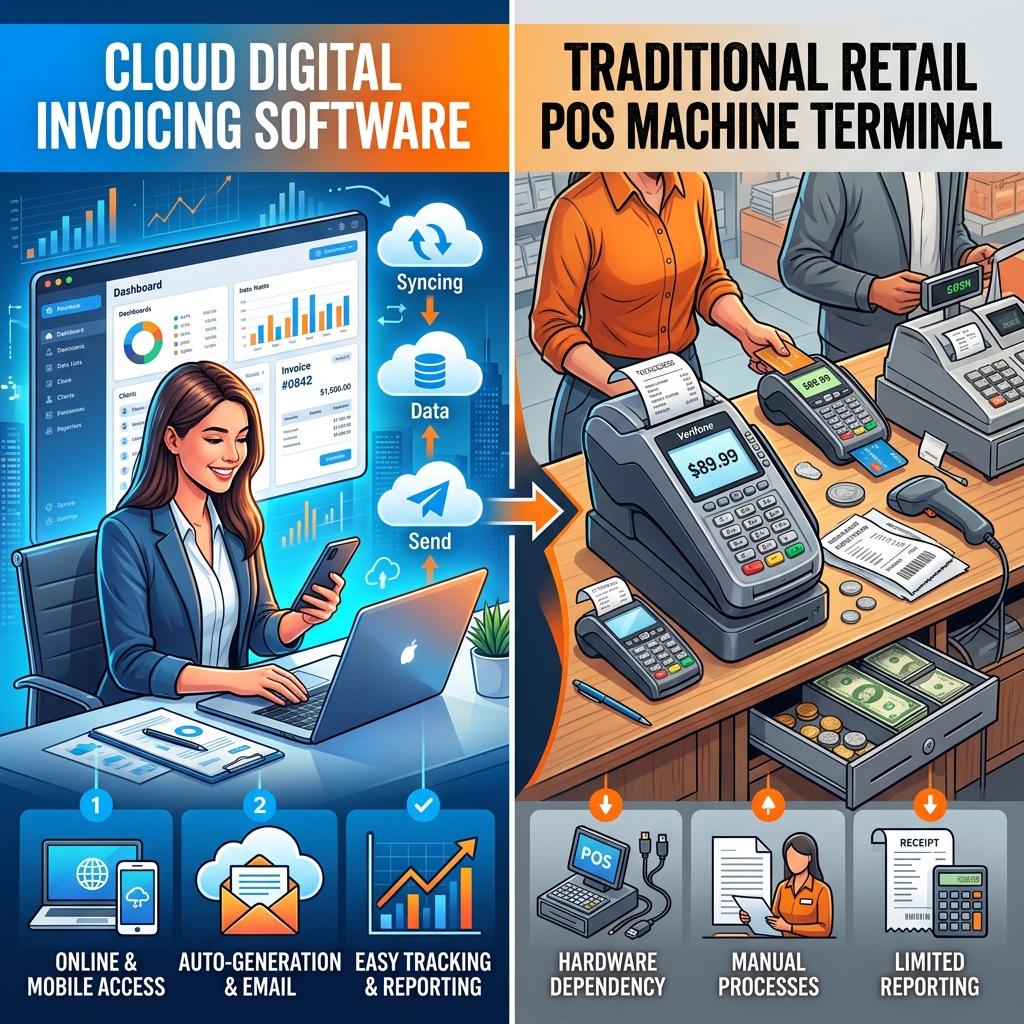
Manual invoicing, at its core, involves creating invoices without the aid of automated software directly integrated with tax authorities. This typically means using word processors, spreadsheets, or even pre-printed invoice books to generate transaction records. While seemingly straightforward, this method introduces a host of challenges that can significantly impact a business's operational efficiency and compliance standing.
One of the primary drawbacks is the sheer time commitment. Generating, printing, signing, and physically storing invoices can consume valuable staff hours that could be better spent on core business activities. Reconciliation at the end of accounting periods becomes a laborious task, as data needs to be manually aggregated from various sources, increasing the risk of discrepancies.
Furthermore, manual invoicing presents significant compliance risks in Pakistan's evolving tax landscape. Without direct integration with the FBR, businesses relying on manual processes may struggle to meet the requirements for Invoice Reference Numbers (IRN) and QR codes, which are becoming standard for digital invoices. The potential for lost invoices, incomplete records, and difficulties during FBR audits can lead to penalties and reputational damage.
The absence of robust validation mechanisms means errors might go unnoticed until it's too late, making manual systems a precarious choice for modern businesses aiming for seamless tax compliance.
⚠️ Avoid Compliance Risks
Manual invoicing significantly increases the risk of errors and non-compliance with FBR regulations, potentially leading to penalties and audit complications. Ensure your invoicing method meets current FBR requirements.
Make FBR digital invoicing simple
Create, validate and submit invoices to FBR with the IRN and QR code. Start free with 10 invoices every month.
FBR Digital Invoicing: A Paradigm Shift for Compliance and Efficiency
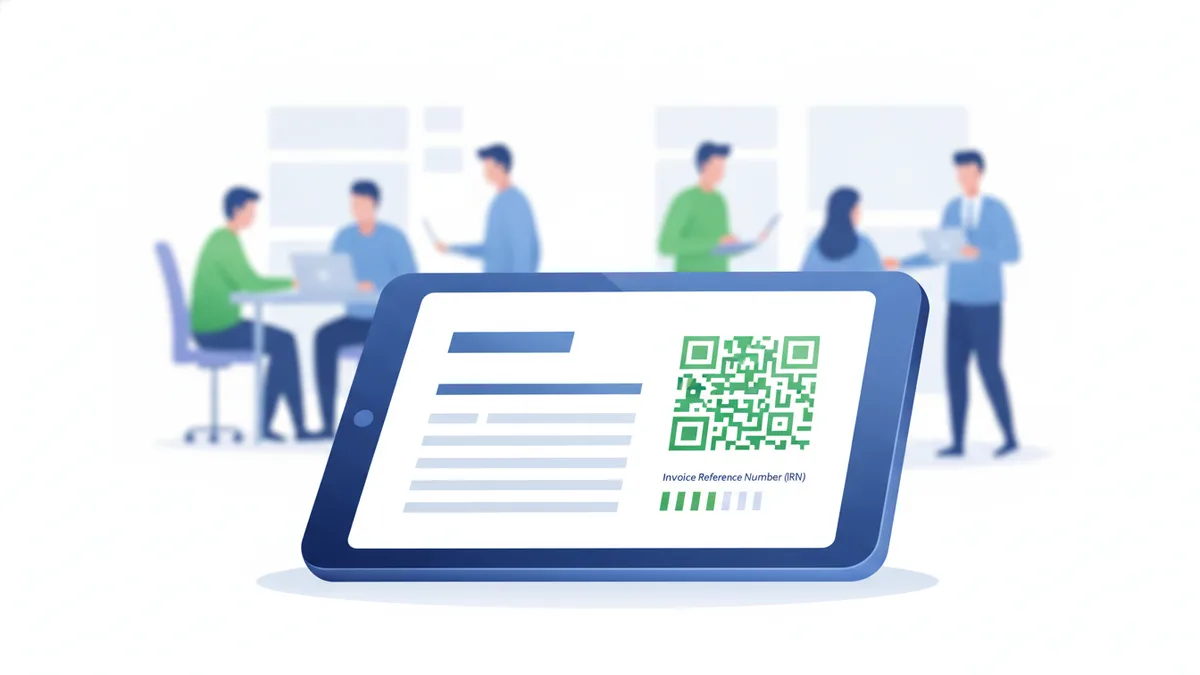
FBR digital invoicing represents a crucial step towards modernizing Pakistan's tax system, moving businesses into an era of unprecedented efficiency and transparency. This system mandates the generation of invoices electronically, often through specialized software, and their direct submission to the FBR via dedicated APIs. The core components of an FBR digital invoice include a unique Invoice Reference Number (IRN) and a QR code, both of which are critical for verification and authenticity.
The primary advantage of FBR digital invoicing is its ability to ensure real-time compliance. Instead of waiting for manual audits, the FBR can verify transactions as they occur, significantly reducing opportunities for tax evasion and enhancing the overall integrity of the tax system. For businesses, this translates into reduced audit risks and a clearer understanding of their tax liabilities.
Beyond compliance, digital invoicing brings substantial operational benefits. It accelerates the invoicing process, allowing businesses to generate and send invoices in seconds, improving cash flow and customer satisfaction. The elimination of paper-based processes reduces administrative costs associated with printing, postage, and physical storage.
Furthermore, the digital trail provides invaluable data for business analytics, offering insights into sales trends, customer behavior, and inventory management. This paradigm shift, facilitated by seamless PRAL digital invoicing integration, positions businesses for greater efficiency, accuracy, and strategic growth in Pakistan's digital economy.
A Head-to-Head Comparison: Digital vs. Manual Invoicing
Deciding between FBR digital invoicing and traditional manual methods is a critical choice for any Pakistani business. While manual invoicing might seem simpler initially, especially for very small operations, the long-term benefits and regulatory imperatives strongly favor digital solutions. The transition isn't just about meeting a regulatory requirement; it's about future-proofing your business.
Digital systems offer scalability that manual methods simply cannot match, accommodating growth without proportional increases in administrative overhead. They also provide a robust framework for data security and backup, protecting your financial records from physical loss or damage. Moreover, the FBR's continuous push for digitization means that the scope of mandatory digital invoicing is likely to expand.
Businesses that proactively adopt digital solutions now will be better positioned to adapt to future regulatory changes without disruption. This foresight not only ensures compliance but also fosters a reputation for modernity and efficiency among clients and partners. Ultimately, the comparison reveals that while manual invoicing served its purpose in the past, F digital solutions are indispensable for contemporary business operations in Pakistan.
| Feature | Manual Invoicing | FBR Digital Invoicing |
|---|---|---|
| Cost | High (printing, storage, labor) | Lower (software subscription, less labor) |
| Time Efficiency | Slow, laborious | Fast, automated |
| Accuracy | Prone to human errors | High, automated validation |
| Compliance | High risk of non-compliance | High, FBR/PRAL API integration |
| Audit Readiness | Difficult, time-consuming | Easy, real-time data access |
| Data Security | Vulnerable to physical loss | Secure, cloud-based backup |
| Scalability | Limited, grows with volume | High, handles large volumes easily |
Implementing FBR Digital Invoicing with FBRSTAPP: A Step-by-Step Guide
Transitioning from manual invoicing to FBR digital invoicing might seem daunting, but with the right software, it becomes a straightforward process. FBRSTAPP is designed specifically for Pakistani businesses, simplifying compliance with FBR digital invoicing requirements. Our platform streamlines the creation, validation, and submission of invoices directly to the FBR via their API, ensuring your business stays compliant with minimal effort.
FBRSTAPP removes the complexities of direct API integration, offering a user-friendly interface that caters to both tech-savvy users and those new to digital systems. From managing your customer and product databases with essential HS codes to generating FBR-compliant invoices with IRN and QR codes, every step is designed for efficiency and accuracy. Our platform also supports Excel bulk uploads, making the transition even smoother for businesses with existing data.
With FBRSTAPP, you gain not just a tool for compliance, but a partner in your business's digital transformation.
Create Your FBRSTAPP Account
Visit fbrstapp.com/register and sign up for a free trial. The initial setup is quick, allowing you to access the platform's features immediately after a one-time account subscription fee.
Set Up Your Business Profile
Enter your business details, including NTN, sales tax registration number, and other required information. This ensures all your invoices will be correctly attributed to your business.
Add Customers and Products
Populate your customer database and product catalog. For products, ensure you include the correct HS codes, which are crucial for FBR compliance. You can use Excel bulk upload for convenience.
Generate a Digital Invoice
Navigate to the invoicing section. Select your customer, add products/services, and the system will automatically calculate taxes. FBRSTAPP ensures all mandatory fields are correctly filled.
Validate and Submit to FBR
Once the invoice is ready, FBRSTAPP validates it against FBR rules. Upon successful validation, the invoice is submitted to the FBR/PRAL Digital Invoicing API, and you receive an FBR Invoice Reference Number (IRN) and QR code.
Print or Share Your Invoice
After FBR acceptance, you can print the invoice with the embedded QR code or share it digitally with your customer. All accepted invoices are stored securely in your FBRSTAPP account.
Monitor and Report
Utilize FBRSTAPP's dashboard to monitor your invoicing activity, track submissions, and access historical data for reporting and reconciliation purposes. This provides real-time visibility into your compliance status.
💡 Test in Sandbox First
Before going live, utilize FBRSTAPP's FBR sandbox scenario testing feature. This allows you to practice generating and submitting invoices without affecting your live FBR records, ensuring a smooth transition.
Beyond Compliance: Strategic Advantages of Digital Invoicing
While FBR compliance is a primary driver for adopting digital invoicing, the benefits extend far beyond simply meeting regulatory requirements. Embracing a digital system like FBRSTAPP offers significant strategic advantages that can propel your business forward in the competitive Pakistani market. One major advantage is the enhanced financial control and visibility it provides.
With all invoices processed digitally, businesses gain access to real-time data on sales, outstanding payments, and tax liabilities. Digital invoicing also dramatically improves cash flow management. By automating invoice generation and delivery, businesses can issue invoices faster and track payment statuses more effectively, leading to quicker payment cycles.
The ease of access to historical data simplifies reconciliation and dispute resolution, further contributing to healthier financial operations. Furthermore, a professional and efficient digital invoicing process enhances your business's reputation. It signals modernity and reliability to your customers and partners, fostering trust and improving business relationships.
The ability to quickly generate accurate, FBR-compliant invoices with QR codes reflects a commitment to transparency and professionalism. With tools like FBRSTAPP's SRO Chat AI assistant, businesses can even gain quick clarity on complex tax regulations, ensuring they remain informed and compliant, turning a compliance task into a strategic asset.
ℹ️ Instant SRO Clarity
FBRSTAPP includes an SRO Chat AI assistant, providing instant answers to your FBR-related queries. This feature helps you quickly understand complex SROs and ensure accurate compliance.
Final thoughts
The choice between FBR digital invoicing and manual invoicing is clear for modern Pakistani businesses. While manual methods are steeped in tradition, they are increasingly inefficient, prone to errors, and carry significant compliance risks in Pakistan's evolving tax landscape. By adopting a robust digital invoicing solution like FBRSTAPP, businesses can streamline their operations, reduce administrative overheads, and ensure seamless integration with the FBR/PRAL Digital Invoicing API.
From managing customer and product data with HS codes to generating IRN and QR codes on every accepted invoice, FBRSTAPP simplifies the entire process. com/register) and experience the future of invoicing.
Ready to get started with FBRSTAPP?
- ✓FBR invoice number (IRN) and QR code on every accepted invoice
- ✓Sandbox scenario testing and Excel bulk upload
- ✓No static IP or software installation needed
Frequently Asked Questions
Is FBR digital invoicing mandatory for all Pakistani businesses?
FBR digital invoicing is currently mandatory for certain categories of businesses and sectors, with the scope continually expanding. It's crucial for businesses to stay updated with the latest FBR notifications to determine their specific compliance requirements.
What is an IRN and a QR code on an FBR digital invoice?
An Invoice Reference Number (IRN) is a unique identifier assigned by the FBR to each digital invoice upon successful submission. The QR code embedded on the invoice allows for quick verification of its authenticity and details by scanning it, ensuring transparency and compliance.
Can FBRSTAPP handle my existing customer and product data?
Yes, FBRSTAPP supports Excel bulk upload for both customer and product management. This feature allows businesses to easily import their existing data into the system, ensuring a smooth and quick transition to digital invoicing.
What if I make a mistake on a digital invoice submitted to FBR?
FBRSTAPP includes validation steps before submission to minimize errors. If an invoice with an error is submitted and accepted, specific procedures for amendment or cancellation, as per FBR guidelines, must be followed. It's always best to verify details carefully.
How much does FBRSTAPP cost after the free trial?
FBRSTAPP offers a free Trial plan with 10 invoices per month (a one-time account subscription fee applies). Paid plans range from Rs. 500 to Rs. 15,000 per month, offering scalable solutions for businesses of all sizes. You can view detailed options on our pricing page.