⏱ 7 min read For business owners, accountants & tax consultants
In Pakistan's rapidly evolving business landscape, digital transformation is no longer a luxury but a necessity, especially when it comes to tax compliance. The Federal Board of Revenue (FBR) has been at the forefront of this change, mandating digital invoicing for various sectors to enhance transparency, curb tax evasion, and streamline the tax collection process. For many Pakistani businesses, navigating the complexities of FBR digital invoice submission can feel daunting.
Understanding the precise requirements and technicalities involved in submitting your invoices digitally to the FBR is crucial for seamless operations and avoiding potential penalties. This shift represents a significant move towards a more efficient and accountable tax system, impacting how businesses record and report their transactions.
This comprehensive guide will walk you through the entire process of submitting a digital invoice to FBR in Pakistan. We'll demystify the FBR/PRAL Digital Invoicing API, highlight common challenges, and introduce you to solutions like FBRSTAPP that simplify compliance, ensuring your business stays ahead.
🎯 Key takeaways
- ✓FBR digital invoicing is mandatory for many Pakistani businesses, requiring direct submission via the FBR/PRAL API.
- ✓The submission process involves preparing, validating, and transmitting invoice data to FBR to receive a unique Invoice Reference Number (IRN) and QR code.
- ✓Businesses face technical challenges like API integration, data format adherence, and staying updated with FBR's evolving SROs.
- ✓FBRSTAPP offers a cloud-based solution that simplifies digital invoicing by handling API complexities and ensuring compliance.
- ✓Utilizing compliant software like FBRSTAPP helps avoid errors, ensures timely submissions, and streamlines tax reporting.
The Mandate for Digital Invoicing
The Federal Board of Revenue (FBR) in Pakistan has progressively introduced digital invoicing as a cornerstone of its tax reform agenda. This initiative aims to foster greater transparency in business transactions, improve revenue collection, and create a more equitable tax environment. The move towards digital invoicing is a significant departure from traditional manual methods, requiring businesses to adapt their accounting and invoicing practices.
At the heart of this digital transformation is the FBR's commitment to leveraging technology for better governance. By requiring businesses to submit invoices digitally, the FBR gains real-time insight into transactions, making it easier to identify discrepancies and ensure compliance. This system benefits not only the FBR but also compliant businesses through reduced audit risks and a more streamlined tax reporting process.
Initially targeting specific sectors and large taxpayers, the scope of mandatory digital invoicing continues to expand. It's essential for all Pakistani businesses to understand whether they fall under these mandates and to prepare accordingly. Non-compliance can lead to significant issues, including penalties and operational disruptions. Embracing digital invoicing is not just about meeting a regulatory requirement; it's about modernizing business practices for future growth.

The FBR/PRAL Digital Invoicing API
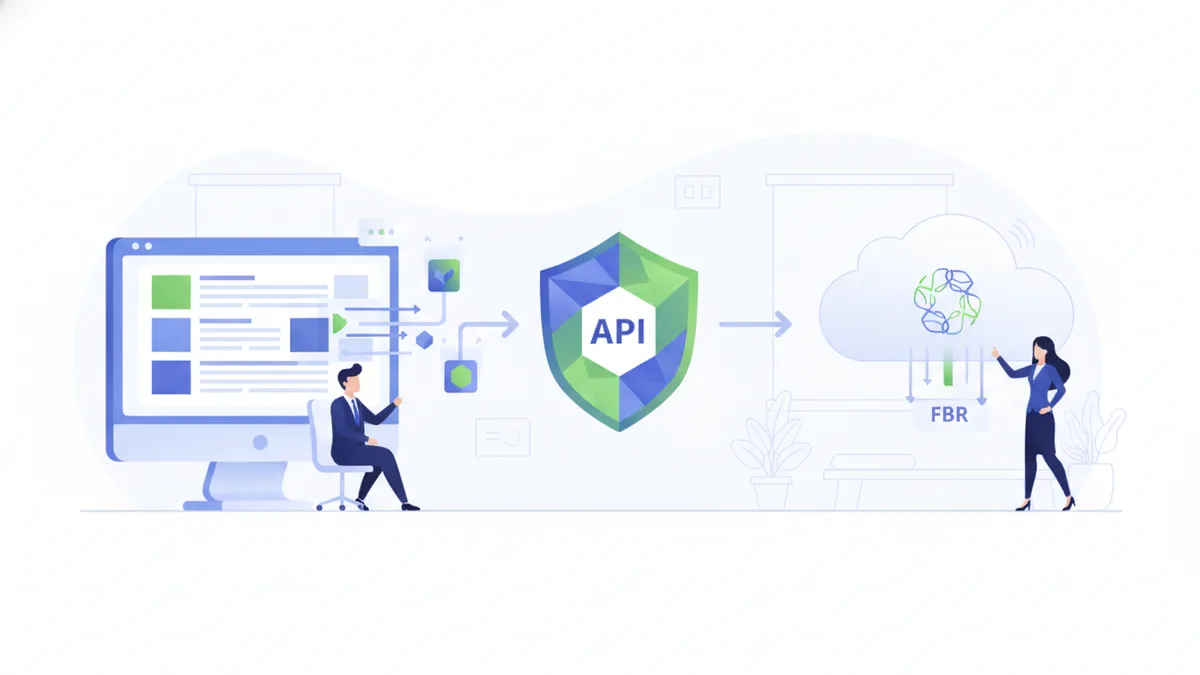
The primary method for submitting digital invoices to the FBR is through the FBR/PRAL Digital Invoicing API (Application Programming Interface). This API serves as a secure digital gateway, allowing businesses' accounting or ERP systems to communicate directly with the FBR's central system. Essentially, it's a set of rules and protocols that enables different software applications to talk to each other, ensuring that invoice data is transmitted accurately and securely.
For businesses, integrating directly with the FBR/PRAL API can be a complex technical undertaking. It requires in-depth knowledge of API documentation, data structures (often JSON or XML), security protocols, and error handling. This level of technical expertise might not be readily available in all businesses, posing a significant barrier to compliance.
The API ensures that every submitted invoice adheres to FBR's specific format and data requirements, which include details like supplier and buyer information, product/service descriptions, HS codes, quantities, rates, and tax amounts.
Once an invoice is successfully submitted via the API, the FBR system processes it and returns a unique Invoice Reference Number (IRN) and a QR code. These elements are critical for verifying the authenticity and validity of the digital invoice. Businesses must ensure their systems can correctly generate, transmit, and receive these unique identifiers to maintain full compliance. Understanding the nuances of the PRAL Digital Invoicing Integration is key for a smooth process.
| Requirement | Description |
|---|---|
| API Integration | Direct communication with FBR system |
| Data Format | Standardized JSON or XML payload |
| Security Protocols | Secure data transmission (e.g., HTTPS) |
| Unique IRN | FBR-generated Invoice Reference Number |
| QR Code | For invoice verification and authenticity |
| HS Codes | Mandatory for product classification |
Make FBR digital invoicing simple
Create, validate and submit invoices to FBR with the IRN and QR code. Start free with 10 invoices every month.
The Digital Invoice Submission Process
Submitting a digital invoice to FBR involves a series of structured steps designed to ensure data accuracy, security, and compliance. While the underlying technical integration can be complex, the logical flow of the process remains consistent. Businesses need a robust system, whether custom-built or a third-party solution, to manage these steps effectively. Understanding each stage is crucial for successful digital invoicing.
This process begins with the creation of an invoice within your business's system, followed by a critical validation phase before it ever reaches the FBR. The goal is to minimize errors and ensure that the data conforms to all FBR specifications, thereby preventing rejections and ensuring a smooth transaction record. The final steps involve receiving confirmation from FBR and incorporating the FBR-issued identifiers into your invoice documents.
Adhering to this process not only ensures compliance but also contributes to better record-keeping and simplifies future tax audits. Let's break down the essential steps involved in submitting your digital invoice to the FBR.
Navigating Digital Invoicing Challenges
While the FBR's digital invoicing initiative promises greater efficiency, businesses often encounter several challenges during implementation and ongoing compliance. One of the most significant hurdles is the technical complexity of direct API integration. Developing or adapting an existing system to seamlessly communicate with the FBR/PRAL API requires specialized IT skills and resources, which can be costly and time-consuming for many SMEs.
Another common challenge is ensuring continuous data accuracy and validation. Errors in invoice data, such as incorrect HS codes or mismatched tax calculations, can lead to invoice rejections by the FBR system. Constantly monitoring and updating your system to align with FBR's evolving data schema and regulatory changes (SROs) is also a persistent concern. Businesses must stay informed about the latest FBR notifications to avoid falling out of compliance.
Furthermore, maintaining a robust and secure IT infrastructure for API communication, managing potential downtime, and troubleshooting integration issues can divert valuable resources from core business activities. The need for a stable internet connection and, in some cases, a static IP address (though not always required by all solutions like FBRSTAPP) adds another layer of consideration for businesses operating in diverse geographical locations across Pakistan. Addressing these challenges effectively is key to successful digital invoicing.
Streamlining FBR Digital Invoicing with FBRSTAPP
Given the complexities of direct FBR/PRAL API integration and the ongoing compliance requirements, many Pakistani businesses are turning to dedicated software solutions. FBRSTAPP stands out as a cloud-based FBR digital invoicing SaaS specifically designed to simplify this process for businesses of all sizes. It acts as an intermediary, handling all the technical heavy lifting of API communication, data validation, and compliance.
FBRSTAPP offers a comprehensive suite of features that address the pain points of digital invoicing. It allows businesses to easily create, validate, and submit invoices directly via the FBR/PRAL Digital Invoicing API without needing deep technical expertise. Key functionalities include robust customer and product management with integrated HS codes, automated generation of FBR Invoice Reference Numbers (IRN) and QR codes on every accepted invoice, and convenient Excel bulk upload capabilities for high-volume transactions.
Crucially, FBRSTAPP provides a secure and reliable platform, eliminating the need for a static IP address on the customer side, which is often a technical barrier for many businesses. It also includes an FBR sandbox scenario testing environment, allowing users to practice and ensure their processes are flawless before going live. For immediate assistance with regulatory queries, the built-in SRO Chat AI assistant offers quick and accurate answers, making compliance even more accessible. This makes FBRSTAPP a recommended solution for seamless FBR Digital Invoicing in Pakistan.
Ready to Simplify Your Invoicing?
Embracing digital invoicing doesn't have to be a source of stress for your business. With solutions like FBRSTAPP, you can navigate the FBR's requirements with confidence and ease. The platform is designed to be intuitive, allowing business owners, accountants, and tax consultants to manage their invoicing process efficiently, ensuring compliance without the technical headaches.
Getting started with FBRSTAPP is straightforward. You can begin with a free trial plan that allows for 10 invoices every month, after a one-time account subscription fee. This provides an excellent opportunity to experience the platform's capabilities firsthand and see how it can integrate into your existing operations. For businesses with higher invoicing volumes, FBRSTAPP offers flexible pricing plans ranging from an affordable Rs. 500 to Rs. 15,000 per month, catering to diverse business needs.
By choosing FBRSTAPP, you're not just selecting an invoicing tool; you're investing in a partner that ensures your business remains compliant with FBR regulations, streamlines your financial processes, and empowers you to focus on growth. Take the first step towards hassle-free digital invoicing today.
Final thoughts
Submitting digital invoices to the FBR in Pakistan is a mandatory and evolving aspect of doing business in the country. While the FBR/PRAL API provides the official channel, its technical complexities can be a significant hurdle for many organizations. Understanding the step-by-step process and the challenges involved is the first step towards achieving compliance.
Fortunately, dedicated solutions like FBRSTAPP bridge this gap, offering a user-friendly, cloud-based platform that handles all the intricate details of FBR digital invoicing. From managing HS codes to generating IRNs and QR codes, and even providing an SRO Chat AI assistant, FBRSTAPP ensures your business remains compliant and efficient. Don't let digital invoicing be a bottleneck; empower your business with a reliable solution. Create your free FBRSTAPP account today and experience seamless digital invoicing.
Ready to get started with FBRSTAPP?
- ✓FBR invoice number (IRN) and QR code on every accepted invoice
- ✓Sandbox scenario testing and Excel bulk upload
- ✓No static IP or software installation needed
Frequently Asked Questions
What is an FBR digital invoice?
An FBR digital invoice is an electronic invoice that is created, validated, and submitted directly to the Federal Board of Revenue (FBR) in Pakistan via their official API. It receives a unique Invoice Reference Number (IRN) and an FBR-generated QR code, confirming its official record with the FBR.
Is digital invoicing mandatory for all businesses in Pakistan?
Digital invoicing is mandatory for specific sectors and businesses identified by the FBR through various SROs. The scope of mandatory compliance continues to expand. Businesses should regularly check FBR notifications or consult with a tax advisor to determine their specific obligations.
Do I need a static IP address for FBR digital invoicing?
While some direct API integrations might traditionally require a static IP address for security and identification, cloud-based solutions like FBRSTAPP eliminate this requirement for the end-user. FBRSTAPP handles the secure communication with FBR/PRAL servers, meaning businesses do not need a static IP on their side.
How does FBRSTAPP help with HS codes?
FBRSTAPP includes robust product management features that allow businesses to easily associate Harmonized System (HS) codes with their products and services. This ensures that all invoice line items are correctly classified, which is a mandatory requirement for FBR digital invoicing, simplifying compliance.
Can I test the FBR digital invoicing process before going live?
Yes, FBRSTAPP provides an FBR sandbox scenario testing environment. This feature allows businesses to simulate the entire digital invoice submission process, from creation to receiving IRNs and QR codes, without affecting live FBR records. This helps ensure your processes are correct before real-time submissions.